

I’m Worried About the Assassin’s Creed Black Flag Remake (and It’s Because of New AC Games)
The announcement of Assassin’s Creed: Black Flag Resynced finally confirms players long-held suspicions of the pirate-faring title in the series getting remade. This remake has potential to bring back fan-favorite features, from customizing and sailing your own pirate ship on the high seas to the classic stealth action of the iconic franchise. However, the mechanics of Black Flag and the systems of newer Assassin’s Creed games couldn’t be more different, raising questions on how the remake will play in the future.
Videos by ComicBook.com
So far, the only real information we have regarding the AC: Black Flag remake is that it will likely be cutting the first-person Animus scenes from the original game. Alongside a 60 FPS update to AC: Unity, Ubisoft has released little information regarding the series, only stating that the anticipated remake will focus on the content within the Animus, not outside of it. Players who appreciated the sci-fi origins of Assassin’s Creed through the first few games might be disappointed, but this is hardly a sentiment that carries into AC: Black Flag‘s most forgotten sections.
Assassin’s Creed: Black Flag Resynced Might Try To Implement Mechanics From Newer Games In The Series

The biggest concerns fans have for the Black Flag remake is how different the gameplay will be compared to the title’s original release. While many are concerned about the mechanics tied to piracy, such as sailing your ship and battling other vessels out at sea, the core combat and exploration systems are subject to change. The Assassin’s Creed series has slowly transformed over many years, becoming more RPG-like through games like Assassin’s Creed Valhalla, Odyssey, and Shadows over recent years.
Games like Assassin’s Creed Shadows tied the combat of their games to items with specific stats, with things like rarities and unique abilities helping attribute to an overall level. Much like an RPG, characters had to level up skills to defeat stronger foes, relying less on stealth and parkour from Assassin’s Creed 2 and its sequels. At the same time, worlds were made larger, but with a smaller emphasis on exploration that led to the natural completion of certain goals.
Part of the fun of Assassin’s Creed 4: Black Flag comes from the level of freedom you have in every action you do in the game. From the beginning, everything you do is hardly limited, as you don’t need to progress to a certain level of strength to overcome challenges. The RPG direction of the series recently restricts many parts of their games, creating a more linear path as you are forced to engage with content that appropriately fits your “level” instead. This approach could derail Black Flag‘s remake easily, alienating players in the process.
AC: Shadows, Odyssey, Valhalla, & Origins Have Vastly Different Combat Systems Than Black Flag
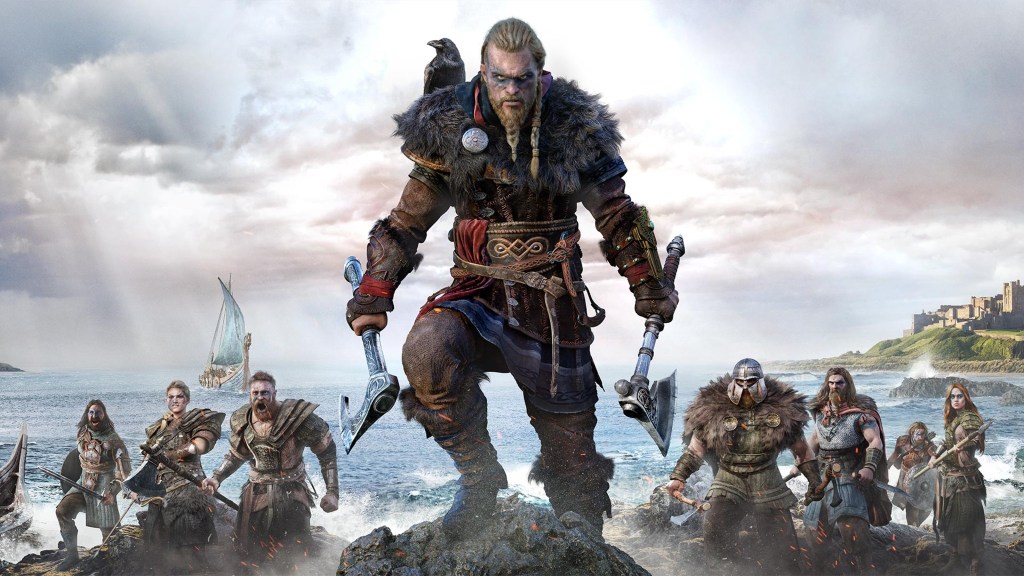
The combat is the main part of newer Assassin’s Creed games that varies from Black Flag‘s style of fighting. Although easier to master, Black Flag adopted the fluid combat of previous games, where a system of counters and hack-and-slash mechanics allowed you to dispatch armies of foes with the right skill. Twin blades, pistols, and the hidden blades signature to the series encouraged a swashbuckling confidence in Black Flag that players remember fondly.
In contrast, games like Assassin’s Creed Valhalla or Odyssey favor a more straightforward combat, where you either use complete stealth or reactionary strikes. Some enemies simply can’t be killed easily, even if you are never seen by them before engaging. This forces you into the game’s combat loop constantly, getting somewhat repetitive as you whittle down the health of high-leveled foes. These two styles reflect Black Flag being more of an action game, and newer Assassin Creed titles adopting action RPG influences instead.
Remastering Black Flag To Highlight Its Strengths May Be Better Than A Full Overhaul Through A Remake
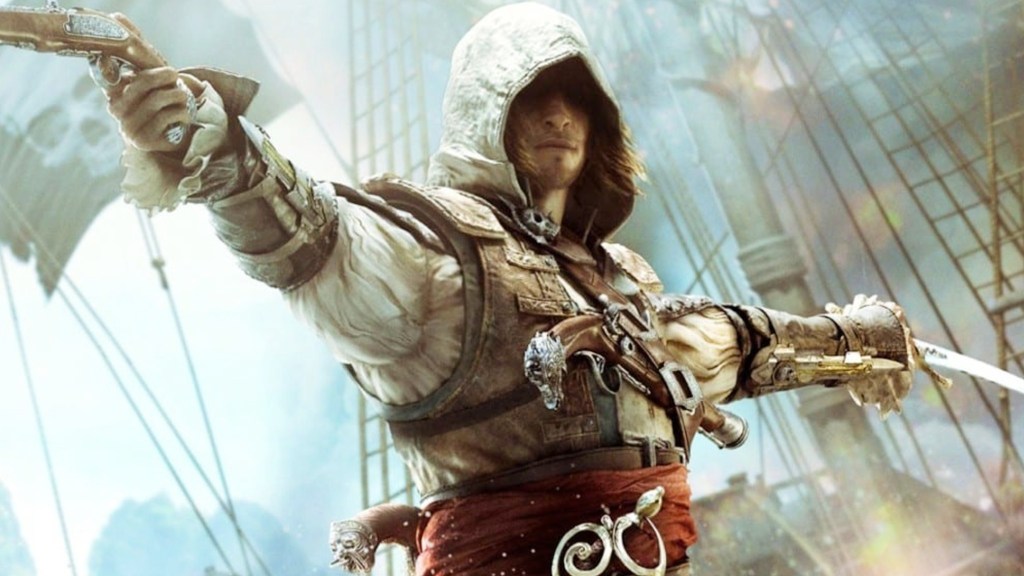
While the remake of Black Flag is undoubtedly going to change the game in several ways, altering them too much will cause inevitable discourse. Changes in Ubisoft’s leadership might mean that older Assassin’s Creed mechanics are respected more, but the past direction of the series’ last few games throws doubt over this project. The pirating and combat of Black Flag are the main reasons why the title is getting remade in the first place, so replacing those systems may seem forced.
The fluid gameplay players remember fondly is easy to mess up, especially if it is bogged down with tedious RPG features that take away from the action. In some ways, a remaster with better visuals to match modern graphic quality might be preferred for Assassin’s Creed: Black Flag Resynced, with the remake thriving off retroactive enhancements rather than getting rid of what made the game great.
How do you think Ubisoft should approach the Assassin’s Creed 4: Black Flag remake? Leave a comment below or join the conversation in the ComicBook Forum!